


Check out this article next
In today’s real estate market, buyers are looking for more than just square footage and bedroom counts — they’re looking for a lifestyle.
The traditional approach to home valuation focused heavily on tangible features like the number of bedrooms, bathrooms, and lot size. While these metrics still matter, a growing number of homebuyers are prioritizing how a home fits into their daily routines, values, and long-term goals. Enter the era of lifestyle-driven design — a movement that is reshaping how homes are built, marketed, and ultimately valued.
What is Lifestyle-Driven Design?
Lifestyle-driven design is a home design approach that centers around how people live, work, relax, and connect. It considers personal habits, preferences, and even wellness — offering features that promote a better quality of life, rather than just more space.
These homes are crafted not just for shelter, but for how people want to live.
Key Features Buyers Are Prioritizing Today
1. Home Offices and Flexible Workspaces
With remote and hybrid work here to stay, a dedicated home office has become a must-have. Buyers are valuing quiet, well-lit spaces with built-in storage and smart tech compatibility.
2. Outdoor Living Spaces
Whether it’s a cozy patio, an outdoor kitchen, or a full backyard oasis, outdoor living is more important than ever. Buyers want to enjoy the outdoors from the comfort of home.
3. Wellness-Oriented Features
From home gyms and yoga rooms to spa-inspired bathrooms and air filtration systems, wellness has taken center stage. Smart buyers are looking at homes that promote both physical and mental well-being.
4. Multi-Generational Living Options
In-law suites, basement apartments, and separate entrances are increasingly common. Families are looking for homes that accommodate aging parents, adult children, or guests — without sacrificing privacy.
5. Energy Efficiency and Sustainability
Green living is more than a trend — it’s a priority. Solar panels, energy-efficient appliances, smart thermostats, and sustainable materials not only lower utility bills but also align with eco-conscious lifestyles.
6. Smart Home Technology
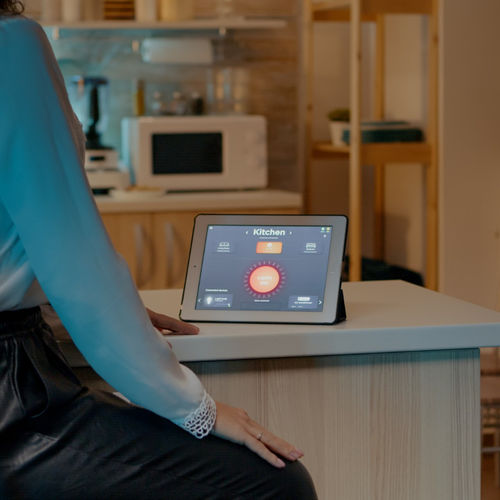
Automated lighting, security systems, voice-controlled appliances, and integrated home entertainment are now seen as essentials. Today’s buyers expect convenience and connectivity.
Why This Matters for Sellers and Investors
Understanding the demand for lifestyle-driven design gives sellers and real estate investors a major advantage. Homes that align with modern buyer expectations — even without an extra bedroom — often sell faster and at higher price points.
For instance, a three-bedroom home with a well-designed home office, gourmet kitchen, and serene backyard may be more appealing than a four-bedroom home with an outdated layout. It's all about perceived value — and how a home supports the buyer’s lifestyle.
Location Still Matters — But Differently
Buyers are thinking beyond commute times. They're asking questions like:
- Is there a dog park nearby?
- Can I bike to my favorite coffee shop?
- Are there wellness studios or organic grocers in the neighborhood?
Proximity to lifestyle amenities is a new metric in home valuation, and it can significantly impact how a property performs on the market.
How to Market Lifestyle-Focused Properties
When listing a lifestyle-driven home, real estate professionals should highlight:
- Unique functional spaces (meditation rooms, home gyms, reading nooks)
- Quality of life features (walkability, natural light, noise levels)
- Wellness upgrades (filtered air systems, non-toxic materials)
- Connectivity and smart features
Photos and descriptions should tell a story — not just list specs. Buyers want to imagine themselves living well in the space.
Final Thoughts
The modern buyer is guided by lifestyle, not just logistics. As this trend continues, the real estate industry must evolve to meet the moment.
Whether you're buying, selling, or investing, understanding the value of lifestyle-driven design can help you make smarter decisions and stand out in a competitive market.
Your home should do more than meet your needs — it should support your way of life.