

Check out this article next

For years, bigger meant better in real estate. More square footage, more rooms, more everything.
But in 2026, that mindset is shifting.
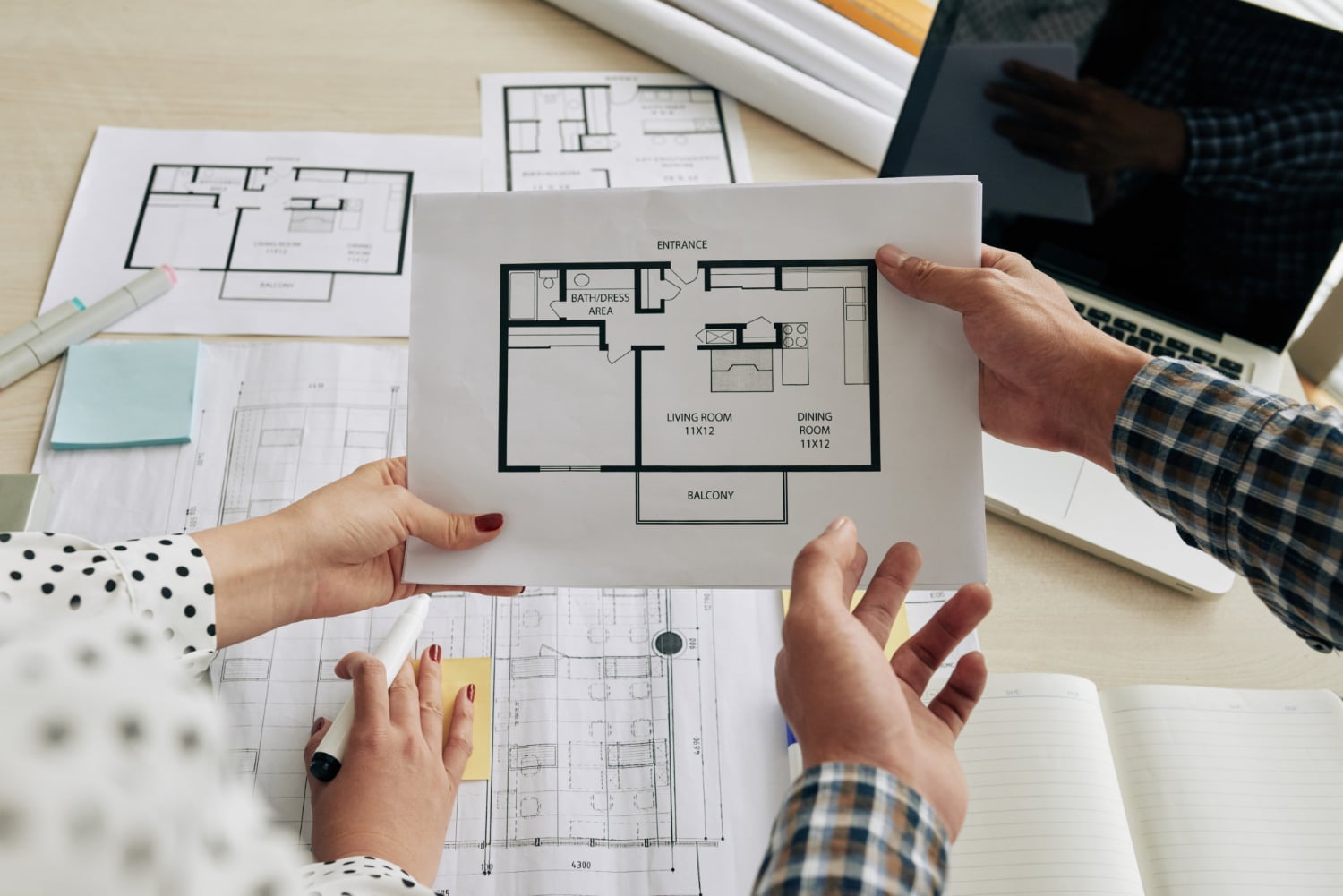
Today’s buyers are prioritizing how a home lives, not just how large it is. And that’s why smart layouts are outperforming larger floor plans across many markets.
Whether you’re buying, selling, or investing, understanding this shift can help you make better real estate decisions—and maximize value.
What Is a “Smart Layout” in Real Estate?
A smart layout focuses on functionality, flow, and usability rather than just size.
Instead of wasted square footage, these homes are designed to make every space count.
Common features of smart floor plans include:
- Open-concept living areas
- Minimal wasted hallway space
- Flexible rooms (home office, guest room, gym)
- Split-bedroom designs for privacy
- Seamless indoor-outdoor flow
In short, it’s not about having more space—it’s about using space better.
Why Buyers Are Choosing Layout Over Size
1. Functionality Matters More Than Square Footage
Buyers are becoming more intentional about how they use their homes.
Instead of asking, “How big is this home?” they’re asking:
- Does this layout fit my daily routine?
- Can I work from home comfortably?
- Is there space to gather and entertain?
A well-designed 1,800 sq ft home can feel more livable than a poorly designed 2,500 sq ft home.
2. Less Wasted Space = More Value
Large homes often come with:
- Long hallways
- Underused formal rooms
- Awkward layouts
Smart layouts eliminate these inefficiencies.
This means buyers are getting more usable space per square foot, which increases perceived value.
3. Lower Costs, Higher Efficiency
Smarter layouts often come with financial benefits:
- Lower purchase prices (compared to oversized homes)
- Reduced utility costs
- Lower maintenance expenses
In today’s market, where affordability is top of mind, efficiency is a major selling point.
4. Lifestyle-Driven Design Is Taking Over
Modern buyers want homes that support their lifestyle—not just impress with size.
That includes:
- Home offices or flex spaces
- Indoor-outdoor living areas
- Kitchens that flow into living spaces
- Storage that’s built-in and intentional
Homes designed with lifestyle in mind are outperforming larger homes that feel outdated or disconnected.
What This Means for Sellers
If you’re selling your home, this shift is important.
Even if your home isn’t the largest on the market, you can still stand out by highlighting:
- Functional layout and flow
- Flexible spaces
- Natural light and openness
- Usable square footage
Key takeaway:
Buyers are paying attention to how a home feels—not just the numbers on paper.
What This Means for Buyers
For buyers, this trend is an opportunity to rethink priorities.
Instead of stretching your budget for more square footage, consider:
- How the home is laid out
- Whether the space fits your lifestyle
- Long-term usability
A smaller home with a smart layout can deliver more satisfaction—and better resale value.
Why Smart Layouts Are Winning in 2026 and Beyond
As real estate continues to evolve, the focus is shifting toward:
- Intentional design
- Flexible living
- Efficiency over excess
The homes that perform best in today’s market aren’t necessarily the biggest—they’re the ones that are designed the smartest.
Final Thoughts: It’s Not About Bigger—It’s About Better
The idea that “bigger is always better” is quickly fading.
In today’s market, smart layouts are outperforming larger floor plans because they deliver what buyers actually want: comfort, functionality, and value.
Whether you’re buying, selling, or investing, understanding this trend can help you make more strategic decisions—and stay ahead of the market.
Thinking About Buying or Selling?
We help clients find homes that fit their lifestyle—not just their square footage goals.
Reach out today to explore homes with layouts that truly work for you.